

Key Takeaways
- Bridge the Understanding Gap: Think of structured data as a translator. It helps search engines and AI understand your website the way a real person would, making it easier for them to interpret your content accurately.
- Improve Your Chances in AI Overviews: If you want your content to show up in Google’s AI-powered search experiences, schema markup can make a real difference. It gives Google clear, organized information that AI systems can rely on when generating answers.
- Use JSON-LD Whenever Possible: When it comes to adding schema markup, JSON-LD is generally the preferred format. It’s clean, easy to maintain, and simple for search engines to read without affecting your page content.
- Help Search Engines Understand Your Brand: Schema goes beyond keywords. It helps search engines recognize your business, products, and services as distinct entities, giving them a clearer understanding of who you are and what your website is about.
- Increase Click-Through Rates: Rich results, like star ratings, FAQs, product details, or event information, make your listings stand out in search results. As a result, people are often more likely to click because they can see useful information before they even visit your site.
- Prepare for the Future of Search: Search is becoming more AI-driven every year. By implementing structured data now, you’re making it easier for both today’s search engines and tomorrow’s AI systems to understand and surface your content when it’s relevant.
By the time you finish reading this sentence, an AI model has probably scanned thousands of web pages to answer someone’s question. Pretty impressive, right? But here’s the catch: even with all their advanced capabilities, AI models can still struggle to understand context.
For example, if your website mentions “Apple,” are you referring to the fruit, the technology company, or the record label? Without clear signals, AI has to make an educated guess—and when it comes to your business, that’s not something you want to leave to chance.
As AI Overviews, chatbots, and AI-powered search become more common, simply publishing great content isn’t always enough anymore. Search engines need extra context to understand exactly what your website, products, and services are about.
That’s where Structured Data for AI comes in. Think of it as a roadmap that helps search engines and Large Language Models (LLMs) interpret your content correctly. Instead of guessing, they receive clear, organized information about your business, making it easier to surface your content for the right searches.
In this guide, we’ll break down how schema markup turns your website’s content into structured information that AI can understand with confidence. You’ll also learn which schema types matter most for AI search optimization, along with practical ways to build a structured data SEO strategy that helps keep your business visible as search continues to evolve.
1. The Evolution of Search: From Keywords to Entities
Search has shifted from matching strings of text to understanding things. In the past, if you optimized for “best digital agency in Noida,” Google looked for those exact words. Today, AI looks for the entity behind the words.
Understanding the Concept of Entities
An entity is a well-defined object or concept. It could be a person, a place, or a business like WP Badgers. When you use schema markup for business, you are explicitly telling AI that your business is an entity with specific attributes: a location, a set of services, and a history of reviews. This move toward entity-based search is the foundation of AI understanding website data.
How LLMs Process Unstructured vs. Structured Data
Unstructured data is the text on your blog or service page. While AI is getting better at reading this, it is resource-intensive. Structured data, specifically JSON-LD schema for SEO, provides the information in a standardized format. It’s like the difference between giving someone a pile of receipts and giving them a neatly organized spreadsheet. AI prefers the spreadsheet every time.
The Role of Knowledge Graphs
Google’s Knowledge Graph is a massive database of entities and their relationships. When you implement structured data, you are essentially requesting a seat at the table. By defining your relationship to other entities (like your industry, your founders, or your city), you improve your schema for business visibility across the entire digital ecosystem.
2. Why Structured Data for AI is No Longer Optional
If you ignore schema today, you are essentially hiding your business from the most powerful discovery tools in existence. AI models like ChatGPT, Claude, and Google Gemini rely on specific data points to verify the accuracy of the information they provide to users.
Boosting Confidence Scores in AI Responses
When an AI generates an answer, it calculates a “confidence score.” If your site has clear schema markup benefits like defined FAQs and product details, the AI feels more confident citing you as a source. If your data is messy, the AI might skip your site to avoid providing inaccurate information to the user.
Impact on Google’s AI Overviews (SGE)
Google’s Search Generative Experience (SGE) prioritizes sources that offer structured, easy-to-digest information. By using structured data SEO, you increase the likelihood of your content being featured in the “carousel” of sources at the top of AI-generated answers. This is the new “Position Zero.”
Improving Voice Search and Personal Assistants
Voice assistants like Alexa and Siri are early forms of AI that rely heavily on schema. When someone asks, “What time does the nearest web design agency open?”, the AI doesn’t read your whole “About Us” page. It looks for the openingHours property in your LocalBusiness schema.
3. The Power of JSON-LD Schema for SEO
There are several ways to implement schema, but JSON-LD (JavaScript Object Notation for Linked Data) is the undisputed champion. It is the format recommended by Google and the easiest for AI models to parse.
Why Google Prefers JSON-LD
Unlike older methods like Microdata or RDFa, JSON-LD is a block of code that sits in the header or footer of your site. It doesn’t wrap around your visual elements, which means it is less likely to break your site’s design. It is clean, centralized, and highly efficient for AI search optimization.
Key Components of a JSON-LD Script
A typical JSON-LD script for a business includes the context (schema.org), the type (e.g., Organization), and various properties like name, URL, logo, and social media profiles. For WordPress SEO services, adding specialized schema for “Service” and “Review” can make a massive difference in how AI interprets your value proposition.
Actionable Tip: Using the Schema Testing Tool
Before you go live, always use the Google Rich Results Test or the Schema Markup Validator. Simply paste your code or URL to see if the AI can actually “read” what you have written. A single missing comma can invalidate the entire script, making your structured data for AI useless.
4. Essential Schema Types for Business Visibility
Not all schema is created equal. To help how schema helps AI truly manifest for your brand, you need to implement specific types that match your business model.
Organization and LocalBusiness Schema
These are the foundations of your digital identity. Organization schema tells AI who you are, while LocalBusiness schema tells it where you are. This is vital for appearing in “near me” searches and local AI discovery maps. Include your address, phone number, and geo-coordinates to maximize accuracy.
Product and Service Schema
If you sell products or provide professional services, this schema is non-negotiable. It allows you to define price points, availability, and specific features. AI uses this data to compare your offerings with competitors. If an AI agent is tasked with finding the “most affordable SEO service in Noida,” it will look for the priceRange or offers property in your schema.
FAQ and How-To Schema
AI models love questions and answers. By implementing FAQ schema, you are providing “snackable” data that AI can easily pull into a summary. This is one of the most effective ways to improve SEO with structured data because it directly feeds the conversational nature of modern AI interfaces.
5. How AI Understanding Website Data Affects Rankings
It is a common misconception that schema is a direct ranking factor. While Google hasn’t explicitly stated that “schema = higher rankings,” the indirect effects are undeniable.
Increasing Click-Through Rate (CTR)
Schema powers “Rich Results” like star ratings, images, and price tags in the search results. A result with 5 stars and a price range is far more enticing than a plain text link. Higher CTR tells Google that your page is relevant, which can lead to higher rankings over time. This is a core part of schema markup benefits.
Reducing Bounce Rates Through Better Context
When AI understands your data, it sends the right users to your site. If the search result accurately reflects your content thanks to JSON-LD schema for SEO, users are less likely to leave immediately because they found exactly what they expected.
Real-World Example: A Noida Service Provider
A local consultancy implemented Service and Review schema on their WordPress site. Within three months, their “Rich Result” impressions increased by 200%. More importantly, an AI chatbot (like Gemini) began citing them as a “top-rated local expert” because the schema provided the necessary proof of their reputation and location.
6. Advanced AI Search Optimization Tactics
To truly stay ahead, you need to look beyond the basic organizational tags. You need to optimize for the way AI “thinks” about content.
Implementing Speakable Schema
As AI becomes more integrated into home devices, Speakable schema identifies sections of a page that are particularly appropriate for text-to-speech conversion. This helps your content become the “voice” of the AI when users ask questions via Google Assistant.
Video and Image Schema for Visual AI
AI isn’t just about text. Tools like Google Lens and Pinterest AI use visual data. By adding ImageObject and VideoObject schema, you help AI understand the subject matter of your media. This ensures your images appear in AI-curated visual galleries and search results.
Actionable Tip: Data Nesting
Don’t just list separate blocks of schema. “Nest” them. For example, your Review schema should be nested inside your Product or Service schema. This tells the AI exactly which product the review belongs to, creating a stronger web of AI understanding website data.
7. The Role of Content Quality in Structured Data
Schema is a powerful tool, but it cannot fix bad content. AI uses structured data to find your content, but it uses natural language processing (NLP) to evaluate its quality.
Avoiding Schema Spam
Never use schema to describe something that isn’t on the page. If you add “Review” schema with fake 5-star ratings that users can’t see, Google will penalize you. This is known as “schema spam” and it can lead to a manual action against your site, destroying your schema for business visibility.
Matching Schema to User Intent
Your structured data should reflect the intent of the page. A blog post should use BlogPosting or Article schema, while a sales page should use Product. When your technical data matches the human-readable content, the AI’s “trust” in your site increases.
Building Topical Authority
Use about and mentions properties in your schema to link your content to established concepts. If you are writing about Structured Data for AI, mentioning related entities like “Machine Learning” or “Schema.org” within your code helps the AI categorize your expertise accurately.
8. Managing Structured Data in WordPress
For many business owners, the thought of writing JSON-LD code is intimidating. Fortunately, the WordPress ecosystem offers powerful tools to simplify this process without sacrificing technical depth.
Using SEO Plugins Effectively
Plugins like RankMath, Yoast SEO, and SEOPress have built-in schema generators. They allow you to select the “Schema Type” for each post or page from a simple dropdown menu. However, don’t just leave it on the default settings. Spend time filling out the specific fields like “Brand,” “Manufacturer,” and “Dimensions” to provide the richest possible data for AI search optimization.
Dedicated Schema Plugins
For more complex needs, dedicated plugins like “Schema Pro” or “WP SEO Structured Data Schema” offer more granular control. These are particularly useful if you have custom post types (like “Portfolios” or “Team Members”) that require specialized schema categories not found in standard SEO plugins.
Manual Implementation for High-Value Pages
For your homepage or main service pages, consider adding custom JSON-LD. This allows you to include advanced properties that plugins might miss. You can use a “Custom HTML” block in the WordPress editor or a “Header and Footer Script” plugin to place your meticulously crafted structured data for AI exactly where it needs to be.
9. Future Trends: AI Agents and Autonomous Search
We are moving toward a world of “AI Agents”—software that performs tasks for users. An agent might be asked to “book a table at the best Italian restaurant in Noida with outdoor seating.”
The Move Toward Actionable Schema
Future schema types will likely focus more on actions. Properties like potentialAction already exist, allowing users to “Search,” “Listen,” or “Buy” directly from the search results. As AI agents become more prevalent, having these “actionable” tags will be the difference between being a passive information source and an active business participant.
Verifiable Credentials and Trust
As AI struggles with “hallucinations” (making things up), it will prioritize data that can be verified. Linking your schema to official profiles (LinkedIn, Crunchbase, etc.) via the sameAs property creates a “verified” identity that AI can trust. This is a critical component of how schema helps AI distinguish between a real business and a bot-generated site.
Actionable Tip: Audit Your Schema Quarterly
The schema.org vocabulary is constantly expanding. New types and properties are added regularly. Set a calendar reminder to audit your structured data SEO every few months to ensure you are taking advantage of the latest tags that could give you an edge in AI discovery.
10. Measuring the ROI of Your Structured Data Strategy
How do you know if your efforts are paying off? You need to look at the specific reports that track how machines—and humans—interact with your data.
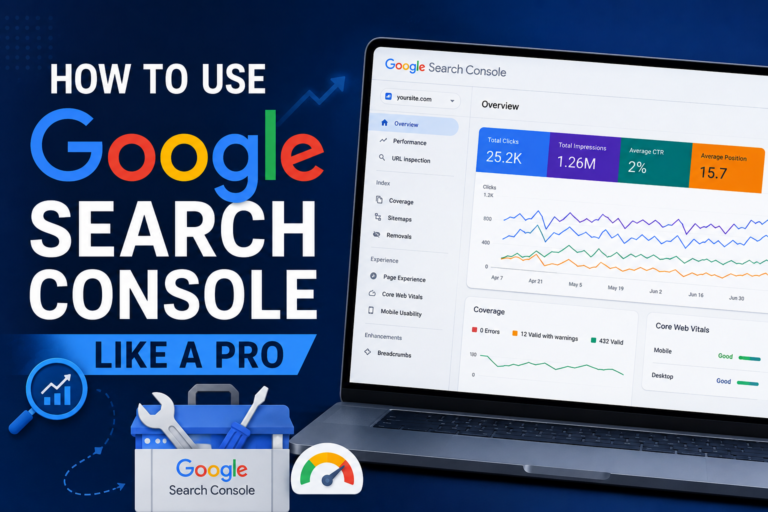
Google Search Console Enhancements Report
Navigate to the “Enhancements” section in GSC. Here, Google provides specific reports for every type of schema it detects on your site (e.g., FAQs, Products, Merchant Listings). It will tell you which ones are valid and which have errors. If your “Valid” count is increasing, your AI search optimization is on the right track.
Tracking Impressions for Rich Results
In the GSC Performance report, you can filter by “Search Appearance.” This allows you to see how many clicks and impressions you are getting specifically from “Product Results,” “Review Snippets,” or “FAQ Results.” This is the most direct way to measure the impact of your schema for business visibility.
Monitoring AI Referral Traffic
While it is still early days, tools like Google Analytics are beginning to show traffic coming from AI sources like ChatGPT (OpenAI) or Perplexity. Keep an eye on your “Referral” traffic. If you see an uptick in visitors coming from AI interfaces, it’s a strong sign that your structured data for AI is working as intended.
Scaling Your Business with WP Badgers
Navigating the intersection of technical SEO and artificial intelligence is a full-time job. You shouldn’t have to do it alone. At WP Badgers, we specialize in bridge-building between your business goals and the complex requirements of search engines and AI models. Our team has helped over 80+ businesses grow online by implementing cutting-edge that prioritize clarity and performance. Whether you need a comprehensive schema audit or a complete digital transformation, provides the expertise needed to ensure your brand isn’t just seen—but understood.
FAQ: Frequently Asked Questions
1. What is Structured Data for AI?
It is a standardized format of code, usually JSON-LD, that provides explicit clues to search engines and AI models about the meaning of a page. It helps AI understand the relationships between different data points, such as your business name, location, and services, ensuring your brand is represented accurately.
2. How does schema markup help AI understand my business?
AI models use schema as a “translator.” While AI can read text, it is much more efficient at processing structured data. Schema labels your content (e.g., “This is a price,” “This is a review”), which removes ambiguity and allows AI to categorize your business correctly in its knowledge graph.
3. Does every page on my WordPress site need schema?
Not necessarily, but every important page should. Your homepage needs Organization or LocalBusiness schema, your service pages need Service schema, and your blog posts need Article schema. Focus on the pages that drive the most value and visibility for your business.
4. What is JSON-LD schema for SEO?
JSON-LD stands for JavaScript Object Notation for Linked Data. It is a specific way of writing schema code that is highly recommended by Google. It is easier to implement and maintain than older methods because it can be added to the header of a site without affecting the visible design.
5. Will structured data make my site rank #1?
Schema is not a direct ranking factor like backlinks or content quality, but it is a “visibility factor.” It enables rich results (stars, prices, FAQs) that increase click-through rates. Furthermore, it is essential for appearing in AI Overviews, which is the future of search.
6. Is it possible to use too much schema?
As long as the schema is accurate and represents content actually present on the page, you can’t really have “too much.” However, adding irrelevant schema or “stuffing” your code with fake data can lead to penalties from Google. Accuracy and relevance are the most important metrics.
7. Can AI read my website without schema?
Yes, modern AI is very good at “scraping” websites and understanding natural language. However, it is not perfect. Without schema, the AI has to make assumptions. Structured data provides a “verified” source of truth that reduces the risk of AI misinterpreting your business information.
Conclusion
The way people search online is changing faster than ever. Not long ago, the goal was simply to rank on the first page of Google. Today, it’s increasingly about becoming the answer that AI-powered search experiences choose to display. That’s exactly why Structured Data for AI has become so important.
By building a strong structured data SEO strategy, you’re doing more than optimizing for today’s search engines. You’re helping AI systems better understand your website, your business, and the content you create. In other words, you’re setting your brand up to stay visible as search continues to evolve. Pairing structured data with a well-planned internal linking strategy for WordPress also makes it easier for both search engines and AI to discover, understand, and connect your most valuable content.
Getting started doesn’t have to be complicated, either. A good first step is to look at your website from a search engine’s perspective instead of your own. Ask yourself: Does AI clearly understand who we are, what we offer, and how everything on our site connects?
That’s where schema markup makes a real impact. By defining your business as an entity and implementing JSON-LD schema for SEO, you’re giving search engines and AI models the context they need instead of leaving them to figure it out on their own.
At the end of the day, the brands that invest in this level of clarity today will be in a much stronger position tomorrow. As AI-driven search becomes the new standard, businesses that make it easy for search engines to understand their content are far more likely to earn visibility, build authority, and stay ahead of the competition.
Contact WP Badgers today for WordPress SEO Services and let us help you implement a winning strategy.